

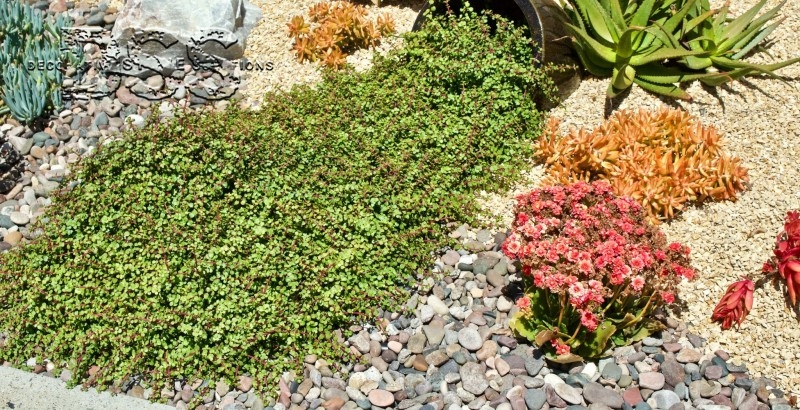
In the face of climate change and increasing water scarcity, adopting sustainable practices in our daily lives has become more crucial than ever. One area where we can make a significant impact is in our landscaping choices.
Drought-tolerant landscaping is a sustainable and eco-friendly approach that conserves water and enhances the beauty of our outdoor spaces. In this blog, we will delve into the benefits of Drought-Tolerant Landscaping, explore its principles, and provide practical tips on incorporating it into your outdoor environment.
Understanding Drought-Tolerant Landscaping:
Drought-tolerant landscaping, also known as xeriscaping, involves designing and maintaining landscapes that require minimal water. The goal is to create aesthetically pleasing outdoor spaces while conserving water resources and reducing the environmental impact associated with traditional landscaping practices.
One key element in achieving a water-wise landscape is using materials that promote water retention and minimize the need for irrigation. Incorporating elements such as compacted decomposed granite and salt river rock can significantly enhance the appeal of your outdoor space while aligning with environmentally friendly practices.
Compacted decomposed granite is a versatile material that has gained popularity in drought-tolerant landscaping. This finely crushed rock, when compacted, forms a stable and porous surface, allowing water to penetrate and reach plant roots effectively. This characteristic makes it ideal for pathways and ground cover in arid climates. The smooth texture of compacted decomposed granite adds a modern and clean look to outdoor spaces, creating a seamless integration with the natural surroundings.
Consider further integrating landscape ideas with sand to enhance your outdoor design's water efficiency. The sand serves as an excellent medium for retaining moisture and promoting drainage. Creating intricate patterns or incorporating sand into specific zones of your landscape adds visual interest and contributes to the overall water-wise design. Paired with drought-tolerant plants, this combination ensures a sustainable and low-maintenance garden that thrives in water-scarce conditions.
When exploring landscaping ideas with sand, one can also explore using decorative stone rock to add texture and visual appeal to the design. Salt river rock, with its smooth and rounded edges, is an excellent choice for aesthetic and functional purposes. The rocks act as a natural mulch, reducing soil moisture evaporation and suppressing weed growth. Additionally, the earthy tones of salt river rock create a harmonious contrast in the landscape, complementing the vibrant hues of drought-tolerant plants.
Key Principles of Drought-Tolerant Landscaping:
1. Water Conservation
The primary focus of Drought-Tolerant Landscaping is to reduce water consumption. This is achieved by choosing plants well-suited to the local climate and soil conditions and incorporating efficient irrigation systems.
2. Native Plants
Incorporating native plants in the landscape design is a cornerstone of Drought-Tolerant Landscaping. Native plants naturally adapt to the local environment, requiring less water and promoting biodiversity.
3. Soil Improvement
Healthy soil is crucial for water retention. Amending the soil with organic consequences enhances its ability to retain moisture, reducing the need for frequent watering.
4. Efficient Irrigation
Traditional irrigation systems often lead to water wastage. Drip irrigation and soaker hoses are more water-efficient options, delivering water directly to the roots of plants and minimizing evaporation.
Benefits of Drought-Tolerant Landscaping:
1. Water Savings
Drought-tolerant landscaping is a beacon of water conservation. This approach significantly reduces overall water usage by selecting plants that thrive in local conditions. The careful consideration of plant choices, coupled with efficient irrigation systems, ensures that each drop of water contributes to the health and vitality of the landscape. This not only aids in addressing water scarcity issues but also fosters responsible water stewardship among homeowners.
2. Cost Savings
Beyond environmental benefits, Drought-Tolerant Landscaping is a wise financial investment. Lowering water bills and low maintenance Drought-tolerant landscaping expenses, this sustainable practice translates to substantial cost savings for homeowners. As water prices continue to rise, embracing this approach becomes a practical and economically sound choice, offering a compelling incentive for individuals to adopt eco-friendly landscaping solutions.
3. Environmental Impact
Traditional landscaping often involves chemical fertilizers and pesticides, threatening ecosystems. Drought-tolerant landscaping mitigates this impact by minimizing reliance on such substances. The reduced need for chemicals protects soil health, water quality, and the overall biodiversity of the ecosystem. This shift toward environmentally friendly practices marks a positive step in promoting a harmonious coexistence between human activities and the natural world.
4. Resilience in Dry Conditions
With climate change amplifying the frequency and severity of droughts, the resilience of outdoor spaces becomes crucial. Drought-tolerant landscaping ensures your garden remains vibrant and robust, even during prolonged dry spells. The careful selection of plants adapted to arid conditions, coupled with water-efficient practices, establishes a landscape capable of withstanding challenging weather patterns. This resilience safeguards the aesthetic appeal of your outdoor space and contributes to the broader ecological balance.
5. Biodiversity Support
Choosing native plants as part of Drought-Tolerant Landscaping efforts fosters biodiversity. Native plants evolved to thrive within the specific conditions of their local environment, serving as crucial habitats that support and nurture the surrounding wildlife. By creating a landscape that mirrors the natural ecosystem, homeowners contribute to preserving indigenous flora and fauna. Not only does this augment the landscape's beauty, but it also serves as a vital support system for pollinators, birds, and other wildlife, promoting a more robust and harmonious ecological balance.
Drought-Tolerant Landscaping Ideas:
1. Choose Native Plants
Selecting native plants is a cornerstone of successful Drought-Tolerant Landscaping. Native plants are inherently adapted to local climate, soil conditions, and ecosystems, making them resilient to water scarcity. Their ability to thrive with minimal water input reduces the need for irrigation, ultimately conserving water resources.
Additionally, native plants play a pivotal role in fostering regional biodiversity by offering sanctuaries for pollinators and diverse wildlife species. Researching and incorporating a variety of native plants into your landscape enhances its visual appeal and promotes ecological sustainability, contributing to the overall health of your outdoor environment.
2. Group Plants with Similar Water Needs
Efficient water management is key to successful Drought-Tolerant Landscaping. Grouping plants according to their water needs enables precise and efficient irrigation. This approach guarantees that each plant gets the right amount of water, effectively avoiding both excessive watering and insufficient hydration.
By creating zones with similar water needs, you can tailor your irrigation system to the specific requirements of each area, optimizing water usage. This method saves water and nurtures the plants' health and vigor by creating optimal growth conditions for them. It's a strategic and practical way to maximize the impact of your water conservation efforts on the landscape.
3. Improve Soil Quality
The health of the soil is a fundamental factor in successful Drought-Tolerant Landscaping. Enhancing the soil by incorporating organic matter like compost improves its composition and ability to retain water. Well-amended soil allows for better penetration of water and nutrients to plant roots, reducing the need for frequent watering.
Improved soil quality encourages beneficial microbial activity, fostering a healthy soil ecosystem. This, in turn, supports plant growth and resilience, making your landscape more adaptable to dry conditions. Investing in soil improvement is a proactive step that conserves water and contributes to your outdoor space's long-term sustainability and vitality.
4. Mulch for Moisture Retention
Mulching is a simple yet highly effective practice in modern Drought-Tolerant Landscaping. Placing organic mulch around plants serves multiple purposes: it conserves soil moisture by curbing evaporation and inhibits weed growth. As a natural insulator, mulch regulates soil temperature, preventing drastic fluctuations that might stress plants.
Moreover, as mulch decomposes gradually, it enriches soil fertility, extending its benefits beyond water conservation. Choosing organic mulches, such as bark or wood chips, adds nutrients to the soil as they decompose, further supporting plant health. Mulching is a practical and aesthetically pleasing way to conserve water and promote the overall well-being of your landscape.
5. Install Water-Efficient Irrigation Systems:
Upgrading your irrigation system is a crucial step in transitioning to Drought-Tolerant Landscaping. Conventional sprinkler systems often lead to water wastage through evaporation and runoff. Drip irrigation and soaker hoses are more water-efficient alternatives, delivering water directly to the root zones of plants. This focused method reduces water wastage while guaranteeing that plants receive precisely the right amount of moisture they require, avoiding unnecessary excess.
Additionally, these systems can be automated and equipped with timers, optimizing water delivery and reducing the risk of overwatering. Investing in water-efficient irrigation conserves a precious resource and aligns with sustainable practices that benefit both your landscape and the environment.
6. Practice Smart Lawn Care
Lawns are often water-intensive components of landscapes, and optimizing their care is essential in Drought-Tolerant Landscaping. You should think about shrinking the dimensions of your lawn or substituting it with drought-resistant grass types that demand less water. Raising the mowing height promotes deeper root growth in grass, enhancing its ability to withstand dry conditions.
This approach not only conserves water but also contributes to the overall resilience and health of your lawn. Smart lawn care practices, including proper mowing and aeration, further reduce water requirements, making outdoor space more sustainable and adaptable to changing environmental conditions.
7. Regular Maintenance and Monitoring
Regular monitoring and maintenance are vital aspects of successful Drought-Tolerant Landscaping. Keeping a close eye on your landscape allows you to identify signs of stress in plants, such as wilting or discoloration, and adjust irrigation accordingly. Pruning and removing dead vegetation contribute to the overall health of your outdoor space, reducing competition for water among plants.
Taking this proactive stance ensures the vitality and resilience of your landscape, especially in times of water scarcity, keeping it thriving and robust. Regular maintenance also allows you to adjust your landscaping strategy based on seasonal variations and changing weather patterns, optimizing water conservation efforts.
8. Collect Rainwater
Harvesting rainwater is a sustainable practice that complements Drought-Tolerant Landscaping. Setting up rain barrels enables the gathering and storage of rainwater, providing a valuable resource that can be utilized for your garden later. This natural water supply reduces reliance on traditional water sources, especially during drier periods.
Collecting rainwater also prevents runoff, which can carry pollutants into waterways. Installing a rainwater harvesting system presents a pragmatic and environmentally conscious approach to augmenting your irrigation requirements, especially beneficial in areas with unpredictable or sporadic rainfall patterns.
It aligns with sustainability principles, demonstrating a conscious effort to utilize available resources efficiently and reduce the environmental impact of your landscaping practices.
Conclusion:
As we confront the challenges of climate change and dwindling water resources, adopting sustainable practices in our daily lives becomes imperative.
Drought-tolerant landscaping emerges as a practical and eco-friendly solution that conserves water and enhances the beauty and resilience of our outdoor spaces.
By embracing the principles of Drought-Tolerant Landscaping, homeowners can actively support water conservation endeavors and create landscapes that thrive even in the face of changing climate conditions. As we move towards a more sustainable future, incorporating Drought-Tolerant Landscaping deserves serious consideration for the well-being of our planet and future generations.
Decorative stone solutions play a pivotal role in Drought-Tolerant Landscaping by offering both aesthetic appeal and practical benefits. These stones retain moisture in the soil, reducing the need for frequent watering. Additionally, they provide a low-maintenance alternative to traditional lawns, contributing to water conservation efforts while enhancing outdoor spaces' overall beauty and sustainability.